Center for Computation of Human Behavior
A scientific spin-off from LMU Munich, built by researchers for research teams.


The platform traces back to PhoneStudy, a research application developed in 2014 at the Chair of Psychological Methodology at LMU Munich. For more than a decade, PhoneStudy provided the methodological foundation for numerous studies on experience sampling and mobile sensing. In 2026, the Center for Computation of Human Behavior was founded as an independent institute, and on this accumulated knowledge base PULSE was built as the successor to PhoneStudy: production-grade software infrastructure for research teams at universities, clinics and in industry.
From PhoneStudy to PULSE
Twelve years of methodological groundwork at the chair, re-cast in an independent platform under the umbrella of the Center for Computation of Human Behavior.
- 2014
PhoneStudy is founded at LMU Munich
Development of a research application at the Chair of Psychological Methodology at LMU Munich.
- 2014–2025
More than a decade of study practice
PhoneStudy serves as the methodological foundation for numerous peer-reviewed studies on experience sampling, mobile sensing and digital behavioural research across Germany and Switzerland.
- 2025
Decision to become an independent platform
Third-party funding tightens and collaboration overhead grows. Long-term sustainability of the infrastructure beyond the lifetime of a single chair requires an independent organisational structure.
- 2026
Founding of the Center for Computation of Human Behavior and launch of PULSE
The Center for Computation of Human Behavior is established as an independent institute. PULSE is built on the knowledge base accumulated through twelve years of PhoneStudy and released as a production-grade platform.
- Today
Software infrastructure for research teams
PULSE, as a product of the Center for Computation of Human Behavior, is in use at universities, clinics and in industry for studies in mobile behavioural research.
Who is behind the Center for Computation of Human Behavior
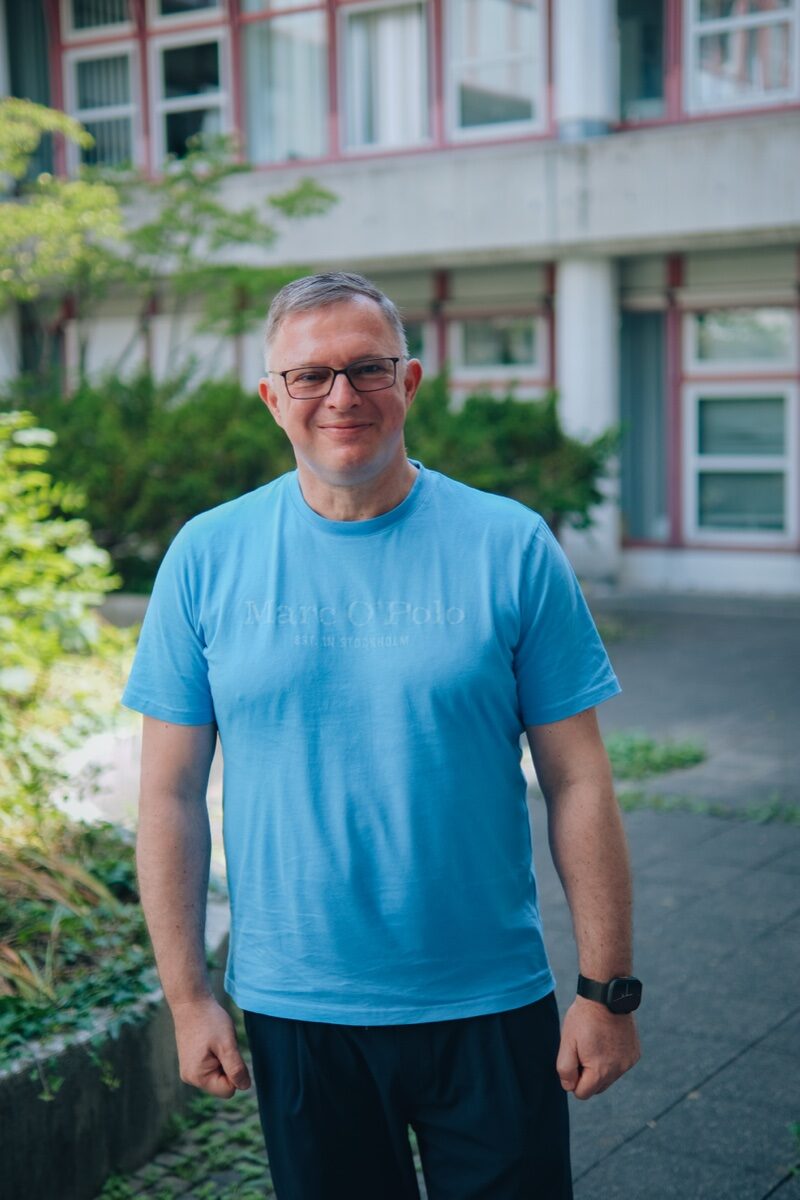 Prof. Dr. Markus BühnerCo-founder, Psychometrics and Methodology
Professor of Psychological Methodology and Assessment. Research focus: psychometrics, theories of intelligence, digital assessments.
markus.buehner@2chub.com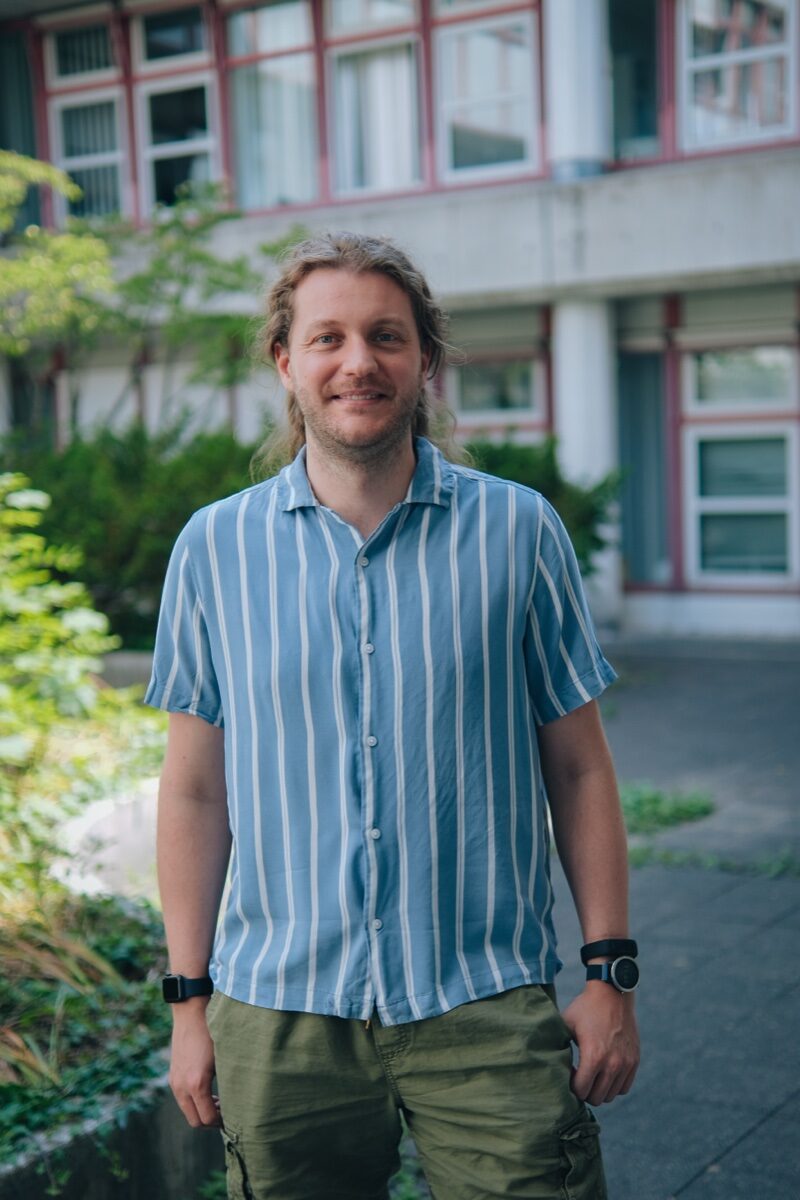 Dr. Yannik TerhorstCo-founder, Clinical Psychology and Digital Health
Researcher in clinical psychology and psychotherapy. Focus on digital interventions, mobile health, and ecological momentary assessment.
yannik.terhorst@2chub.com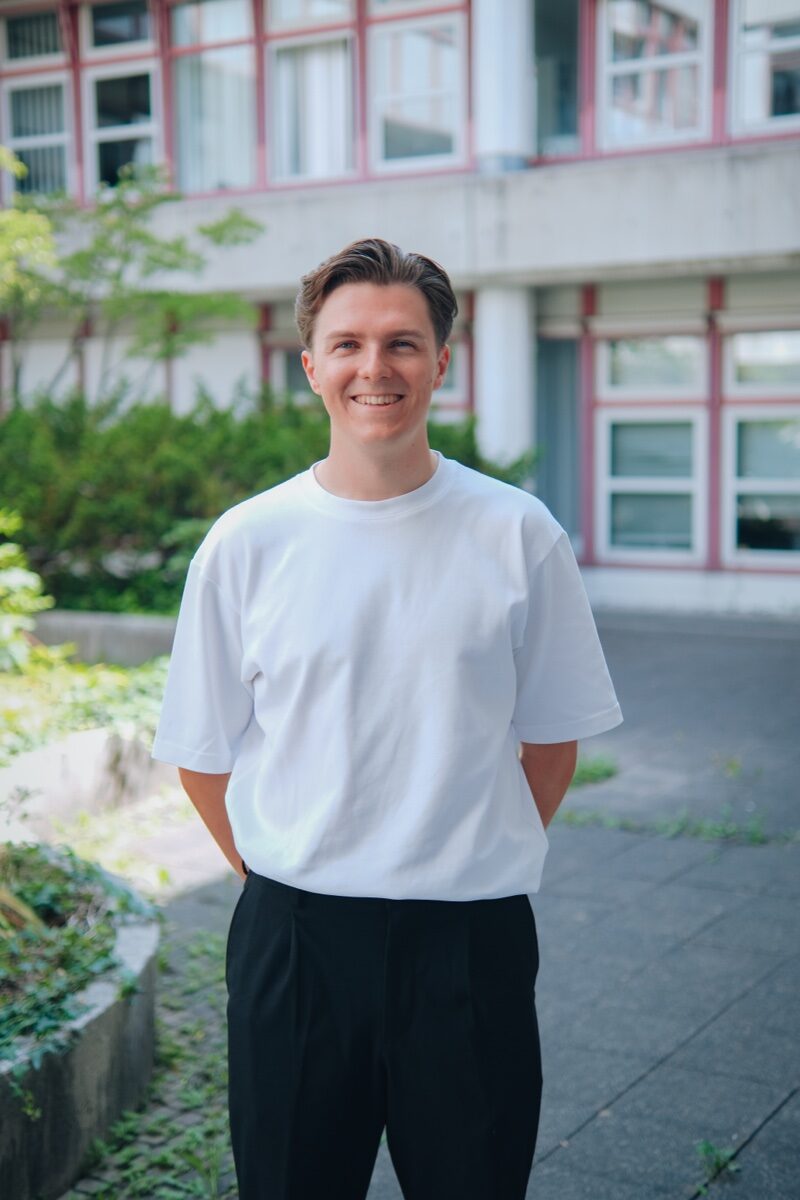 Leon PalettaCo-founder, Platform and Data
M.Sc. Robotics & AI, B.Sc. Engineering Science. Platform architecture, data engineering, and product.
leon.paletta@2chub.com Till-Ole LohseCo-founder, Engineering
B.Sc. Computer Science, B.Sc. Management. System architecture, infrastructure, and hardware integration.
till-ole.lohse@2chub.com
Methodological support as part of the platform
PULSE is complemented by a service layer covering study-specific methodological consulting, ethics and data-protection templates, onboarding workshops and hosting in Germany. Methodological support comes from the same team that develops the platform.
Talk to the teamMethods consulting
Study-design support from the team behind PULSE, with expertise from over a decade of mobile behavioural research and more than 20 studies accompanied.
Ethics and data protection
Templates for GDPR impact assessments, technical-organisational measures and ethics applications, tailored to the study design and the responsible ethics committee.
Onboarding workshops
ESM and sensing workshops for the research group, so that teams do not need to navigate documentation but can become productive within a short period.
Hosting in Germany & local options
Servers in Germany by default. Dedicated hosting on your university servers on request.
Publications
Peer-reviewed studies collected with PULSE or PhoneStudy. A growing corpus across experience sampling and mobile sensing research.
- Investigating Everyday Music Choice on Smartphones: The Role of Mood States and Personality TraitsSust, L., & Schoedel, R.
- Deep Beats, Deep Thoughts? Predicting General Cognitive Ability from Natural Music-Listening BehaviorSust, L., Bergmann, M., Bühner, M., & Schoedel, R.
- Side Effects of Experience Sampling Protocols: A Systematic Analysis of How They Affect Data Quality, Data Quantity & Bias in Study ResultsReiter, T., Sakel, S., Scharbert, J., Terhorst, J., van Zalk, M., Back, M., Bühner, M., & Schoedel, R.
- Right-wing authoritarianism and perceptions that minoritized groups pose a threat: The moderating roles of individual- and country-level religiosity and marginalizationFarkhari, F., Scharbert, J., Kroencke, L., Schwarzer, C., Koch, J. F., Van Zalk, M. H. W., Schlipphak, B., & Back, M. D.
- If you were happy and you know it, clap your hands! Testing the peak-end rule for retrospective judgments of well-being in everyday lifeScharbert, J., Utesch, K., Reiter, T. F., Terhorst, J., van Zalk, M., Back, M. D., & Rau, R.
- Persons in contexts: The role of social networks and social density for the dynamic regulation of face-to-face interactions in daily lifeRoos, Y., Krämer, M. D., Richter, D., & Wrzus, C.
- Social dynamics and affect: Investigating within-person associations in daily life using experience sampling and mobile sensingKrämer, M. D., Roos, Y., Schoedel, R., Wrzus, C., & Richter, D.
- Psychological well-being in Europe after the outbreak of war in UkraineScharbert, J., Humberg, S., Kroencke, L., Reiter, T., Sakel, S., Terhorst, J., et al.
- A global experience-sampling method study of well-being during times of crisis: The CoCo projectScharbert, J., Reiter, T., Sakel, S., Terhorst, J., Geukes, K., Gosling, S. D., et al.
- Well-being in social interactions: Examining personality-situation dynamics in face-to-face and computer-mediated communicationKroencke, L., Harari, G. M., Back, M. D., & Wagner, J.
- Snapshots of daily life: Situations investigated through the lens of smartphone sensingSchoedel, R., Kunz, F., Bergmann, M., Bemmann, F., Bühner, M., & Sust, L.
- Mobile sensing in psychological and educational research: Examples from two application fieldsBirtwistle, E., Schoedel, R., Bemmann, F., Wirth, A., Sürig, C., Stachl, C., Bühner, M., & Niklas, F.